
The Basics of Gambling Odds
Understanding gambling odds is crucial for anyone looking to succeed in gaming or betting, especially when playing online pokies real money games. Odds represent the probability of a particular outcome occurring and are typically expressed in various formats, such as fractional, decimal, or moneyline. For instance, fractional odds of 3/1 indicate that for every dollar wagered, three dollars can be won if that outcome is successful. By grasping these different representations, players can better evaluate potential returns and risks associated with their bets.
Moreover, the house edge plays a significant role in gambling, dictating the mathematical advantage the casino has over players. This percentage varies across games, with some offering a lower house edge, thus enhancing the player’s chance of winning. For example, games like blackjack can have a house edge as low as 1% when played with optimal strategy, whereas slot machines may have a house edge exceeding 10%. It’s vital for gamblers to research and choose games wisely, factoring in the house edge to maximize their potential for winning.
In addition to understanding odds, evaluating your bankroll is another key element in successful gambling. Having a clear budget and knowing how much you’re willing to risk can prevent impulsive decisions and losses. Smart gamblers often adopt strategies that prioritize bankroll management, allowing them to enjoy the experience while minimizing potential financial harm. Emotion-driven bets can lead to poor decision-making, hence sticking to a predetermined budget is essential for long-term enjoyment and success in gambling.
Common Gambling Strategies
Many players explore various strategies to increase their likelihood of winning big in gambling. One popular approach is the Martingale strategy, primarily used in games like roulette, where players double their bet after each loss. Ideally, this strategy aims to recoup losses with one successful bet, but it also poses the risk of reaching table limits or depleting the bankroll quickly. Understanding the risks associated with this and other strategies is integral to successful gambling.
Another noteworthy strategy is the Paroli system, which is the opposite of Martingale. Here, players increase their bets after a win, allowing for potential profits to grow while preserving the original stake. This method capitalizes on winning streaks and can be particularly effective in games with streaky outcomes, such as blackjack or baccarat. By leveraging both winning and losing phases wisely, gamblers can create a more balanced approach to their betting strategy.
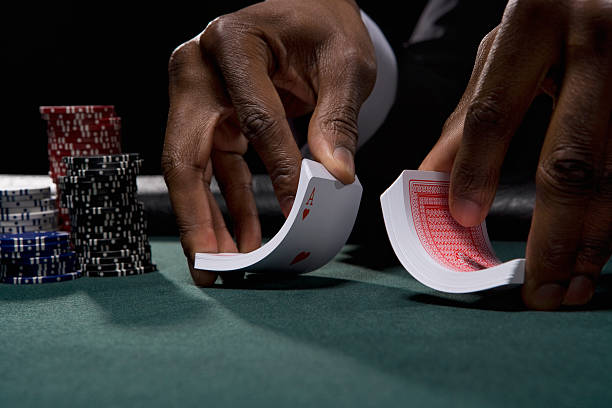
While strategies can enhance gameplay, they are not foolproof, and players should be cautious of over-reliance. It’s important to combine strategy with intuition and experience. Additionally, each gambling environment is unique, as factors like game variations, table limits, and player tendencies can heavily influence outcomes. Therefore, being flexible and adjusting strategies according to the situation can often yield better results than sticking rigidly to one method.
The Role of Probability and Randomness
Probability and randomness are foundational concepts in gambling that significantly influence outcomes. Each bet placed typically consists of a blend of chance and skill, particularly in games that require decision-making, such as poker or blackjack. Understanding the laws of probability can assist players in making informed decisions, such as when to hit or stand in blackjack based on the expected probability of winning against the dealer’s hand.
Despite the skills involved in strategic games, the element of chance remains pervasive. Random number generators (RNGs) are employed in online gambling to ensure fair play, making outcomes unpredictable. This randomness is what gives casino games their excitement but also serves as a reminder that no strategy can eliminate the inherent risks involved. Players must come to terms with the fact that while applying the right strategies can improve odds, the unpredictability of chance will always be at play.
The balance between skill and chance means that even the most experienced and knowledgeable players can face unexpected losses. Therefore, resilience is key in gambling. Accepting losses gracefully and understanding that every player encounters setbacks can help maintain a positive mindset, which in turn supports better decision-making during future gaming sessions. Recognizing when to walk away is equally important in navigating the volatile terrain of gambling.
The Psychology of Gambling
The psychological aspects of gambling play a crucial role in player behavior and decision-making. Many gamblers are influenced by cognitive biases, such as the gambler’s fallacy, where they believe past outcomes affect future events. For instance, a player might think that after several losses, they are “due” for a win. This misconception can lead to poor betting decisions and ultimately larger losses, emphasizing the importance of maintaining a rational mindset while gambling.
Moreover, the thrill and excitement of gambling can create an adrenaline rush, often leading players to chase losses or continue betting beyond their means. This emotional decision-making can cloud judgment, steering players away from effective strategies and bankroll management. Thus, being aware of these psychological triggers is essential in maintaining control during gambling sessions and fostering healthier gaming habits.
Support mechanisms, such as self-exclusion programs, are available in many gambling environments to help players manage their gambling behavior. These programs allow individuals to voluntarily ban themselves from gambling venues or online platforms. By understanding the psychological dynamics at play, players can better equip themselves to enjoy gambling responsibly and reduce the risk of developing problematic behaviors.
Your Guide to Responsible Gambling
Responsible gambling is essential for maintaining a healthy relationship with gaming and ensuring that fun does not turn into a harmful habit. Setting limits on time and money spent gambling can help players enjoy the activity without overextending themselves. Additionally, it’s beneficial to take regular breaks to assess one’s gambling habits and establish whether they align with personal goals and financial constraints.
Many reputable gambling establishments and online platforms promote responsible gaming by implementing features such as deposit limits, loss limits, and time-out options. These tools allow players to monitor their gambling behavior actively and make adjustments as necessary, fostering a more enjoyable experience. Understanding your own limits and recognizing signs of excessive gambling can be instrumental in preventing potential issues down the line.
Ultimately, the goal of gambling should be entertainment, and players are encouraged to view wins as bonuses rather than guaranteed outcomes. Emphasizing responsible gambling creates a safer environment for all players and upholds the integrity of gaming. By sharing insights and experiences, players can contribute to a culture of accountability and support, enhancing the overall enjoyment of gambling.